
Learn the top 10 Child Health Warning Signs that require medical attention. Expert pediatric care, early diagnosis, and child health tips from our KSM Kids Hospital.
As parents, we always want the best for our children. While many childhood illnesses are mild and resolve on their own, some symptoms can indicate a more serious health condition that requires immediate medical attention. Recognizing the Child Health Warning Signs early can help prevent complications and ensure your child receives timely care.
In this the KSM Kids Hospital has released an article, we will discuss ten important warning signs that every parent should know.
High Fever That Doesn’t Improve
Fever is one of the most common reasons parents seek medical care for their children. In many cases, fever is a sign that the body’s immune system is actively fighting an infection caused by viruses or bacteria. While mild fevers are usually not a cause for concern, a persistent or unusually high fever should never be ignored.
A fever above 102°F (39°C) that continues despite medication, adequate hydration, and rest may indicate an underlying infection that requires medical evaluation. Conditions such as pneumonia, urinary tract infections, ear infections, dengue fever, typhoid fever, and other bacterial illnesses can sometimes present with prolonged fever in children.
Parents should carefully monitor their Child Health Warning Signs in addition to checking their behaviour. A child who remains active, playful, and continues eating and drinking fluids and consuming more amount of Junk food that may be less concerning than a child who becomes unusually sleepy, irritable, weak, or refuses to eat and drink.
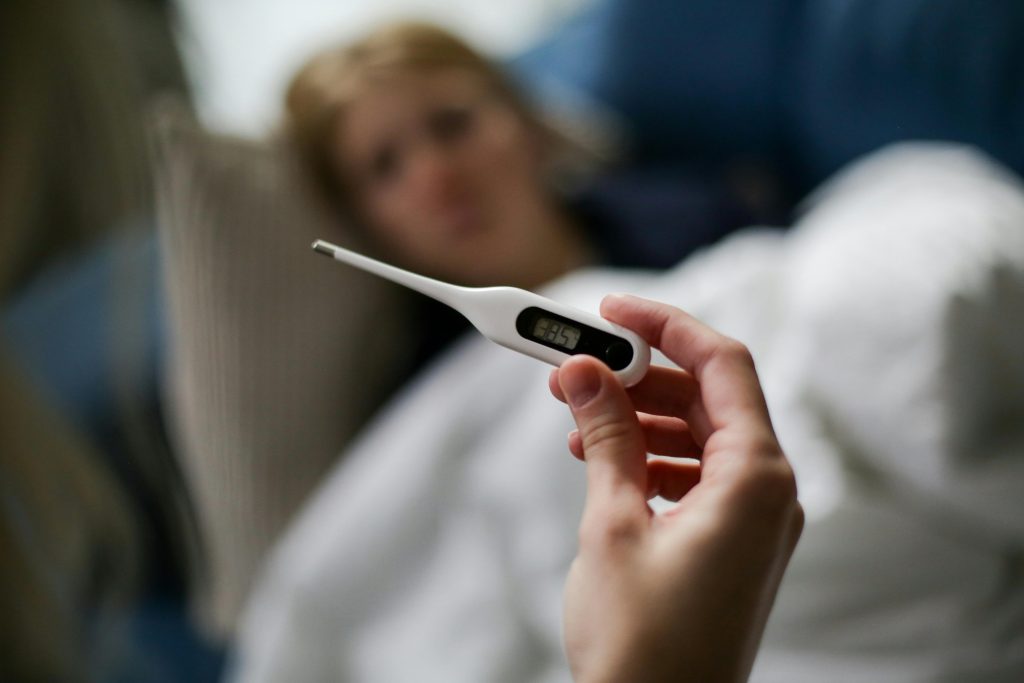
Certain symptoms accompanying fever require immediate medical attention, including:
- Difficulty breathing or rapid breathing
- Seizures or convulsions
- Persistent vomiting
- Severe headache
- Stiff neck
- Skin rashes that spread rapidly
- Signs of dehydration, such as dry lips, reduced urination, or sunken eyes
- Extreme drowsiness or difficulty waking the child
Infants younger than three months deserve special attention. Even a mild fever in a newborn can sometimes indicate a serious infection and should be evaluated by a pediatrician promptly.
To help manage fever at home, parents should encourage plenty of fluids, dress the child in lightweight clothing, ensure adequate rest, and administer fever-reducing medications only as recommended by a healthcare professional. And also improve their Gut health with Healthy food items like including Fruits, Veggies, Millets and Avoid self-medicating with antibiotics, as antibiotics are effective only against bacterial infections and may not be appropriate for every fever.
Regular monitoring and timely medical consultation can help identify the cause of persistent fever early and prevent complications. At our KSM Kids Hospital, our pediatric specialists provide comprehensive evaluation and treatment for childhood fevers, ensuring your child receives the right care at the right time.
Remember, fever itself is often not the illness—it is a warning sign that the body is fighting something. Understanding when to seek medical attention can make a significant difference in your Child Health Warning Signs for child’s recovery and overall health.