
Learn the causes, symptoms, and treatment options for Frequent Ear Infections in Child. Discover how early intervention can protect hearing and support healthy speech development.
Frequent Ear Infections in Child are among the most common childhood health concerns, especially in infants and young children. While occasional ear infections are usually manageable and often resolve with appropriate treatment, recurrent or frequent ear infections should never be ignored. Repeated infections can affect a child’s hearing, speech development, learning abilities, and overall quality of life if left untreated.
Children are more prone to ear infections because their Eustachian tubes—the small passages connecting the middle ear to the back of the throat—are shorter and narrower than those of adults. This makes it easier for fluid to become trapped in the middle ear, creating an environment where bacteria and viruses can grow.
A child experiencing Frequent Ear Infections in Child may complain of ear pain, fullness in the ear, difficulty hearing, or a sensation of pressure. Younger children who cannot express their discomfort may show signs such as pulling or tugging at their ears, excessive crying, irritability, difficulty sleeping, poor feeding, or balance problems.
Parents should watch for symptoms including:
- Recurrent ear pain
- Difficulty hearing or responding to sounds
- Fluid or pus draining from the ear
- Fever accompanying ear discomfort
- Trouble sleeping due to pain
- Delayed speech development
- Poor attention or learning difficulties
- Frequent requests to increase the volume of television or devices
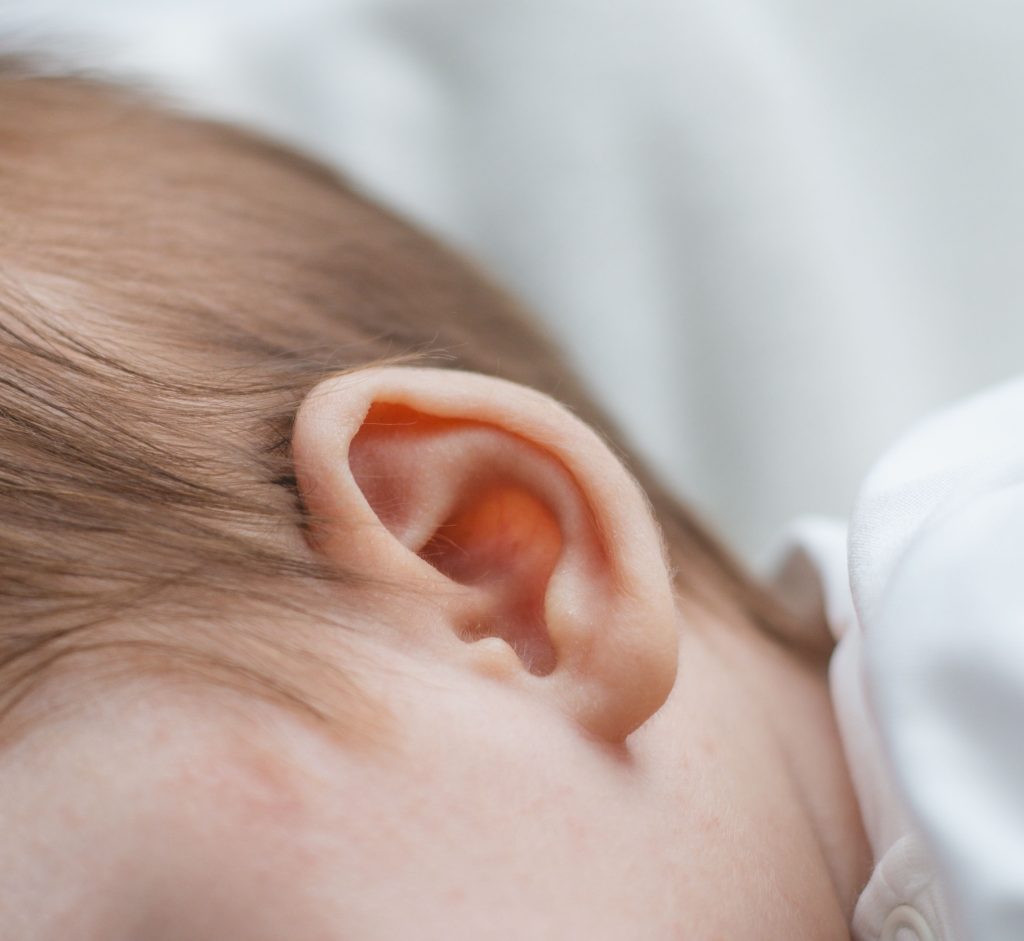
Frequent Ear Infections in Child can sometimes lead to a buildup of fluid behind the eardrum, even after the infection has resolved. This condition, known as middle ear effusion, may temporarily reduce hearing and interfere with normal speech and language development, particularly during the early years when children are learning to communicate.
Several factors can increase a child’s risk of recurring ear infections, including:
- Frequent colds and respiratory infections
- Exposure to secondhand smoke
- Seasonal allergies
- Enlarged adenoids
- Bottle-feeding while lying down
- Attendance at daycare centers
- Family history of ear infections
Early diagnosis and treatment are essential to prevent long-term complications. Pediatricians and ENT specialists may recommend hearing evaluations, medication, monitoring, or, in some cases, ear tube placement to help drain fluid and reduce the frequency of infections.
Parents can help lower the risk of ear infections by ensuring children receive recommended vaccinations, practicing good hand hygiene, avoiding exposure to tobacco smoke, and seeking prompt treatment for upper respiratory infections.
At our KSM Kids Hospital, our pediatric and ENT specialists provide comprehensive evaluation and treatment for recurrent ear infections. We focus on protecting your child’s hearing, supporting healthy speech development, and preventing future complications through personalized care.
Remember, recurring ear infections are more than just a temporary discomfort. Early medical attention can help preserve hearing, support language development, and ensure your child continues to grow, learn, and communicate with confidence.