
Every child grows and develops at their own pace, reaching important milestones such as smiling, sitting, walking, talking, and interacting with others over time. While slight variations in Delayed Developmental Milestones in Child are completely normal, significant delays in achieving these milestones may indicate an underlying developmental, neurological, or medical condition that requires professional evaluation.
Delayed Developmental Milestones in Child serve as important indicators of a child’s physical, cognitive, emotional, social, and communication skills. Monitoring these milestones helps parents and healthcare professionals identify potential concerns early and provide the necessary support to help children reach their full potential.
Some children may experience delays in one area of development, while others may show delays across multiple areas. Common developmental concerns include delayed speech and language skills, difficulty with movement and coordination, limited social interaction, learning difficulties, or challenges with problem-solving and daily activities. Some children’s development growth will be based on children’s surrounding environment which many impact on their growth and thought process
Parents should pay attention to signs such as:
- Not smiling or responding to faces by a few months of age
- Limited eye contact or social interaction
- Delayed speech or difficulty understanding simple instructions
- Not sitting, crawling, or walking within expected age ranges
- Difficulty holding objects or using both hands effectively
- Lack of interest in playing with others
- Repetitive behaviors or unusual reactions to sounds, lights, or touch
- Difficulty learning age-appropriate skills
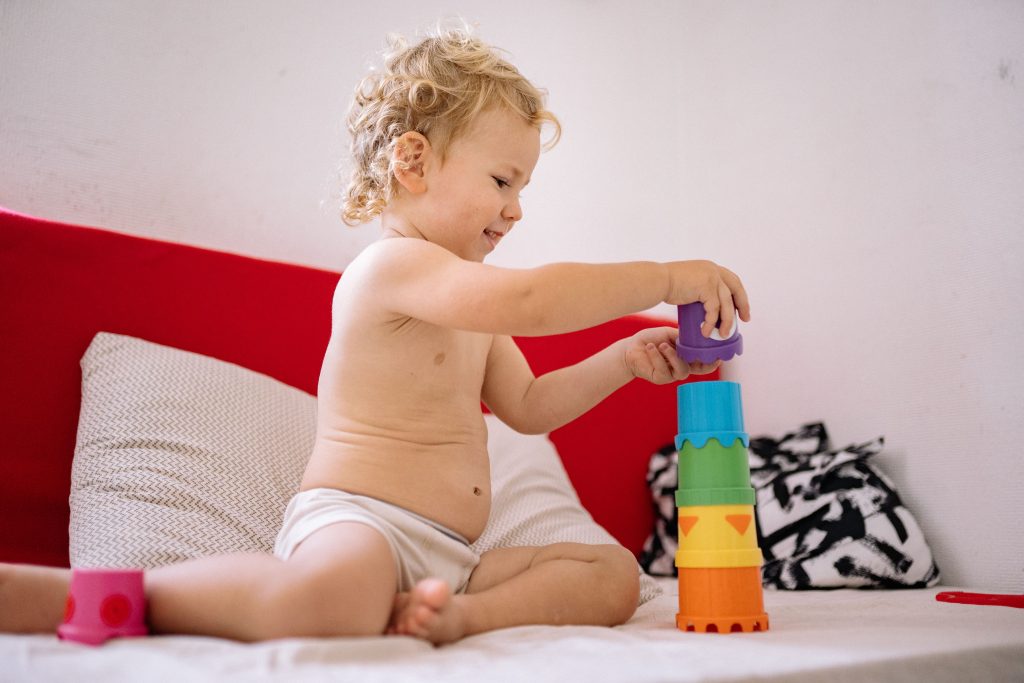
Delayed Developmental Milestones in Child can occur for various reasons, including premature birth, hearing or vision problems, genetic conditions, neurological disorders, autism spectrum disorder, speech and language disorders, or environmental factors. Identifying the underlying cause is essential for creating an effective treatment and support plan.
One of the most important things parents should remember is that early intervention can make a remarkable difference. Research has shown that children who receive early therapy and developmental support often achieve better outcomes in communication, learning, social skills, and overall independence. Services such as speech therapy, occupational therapy, physical therapy, behavioral therapy, and specialized educational programs can help children overcome challenges and build essential life skills.
Regular pediatric checkups play a crucial role in monitoring developmental progress. Pediatricians use developmental screening tools to assess whether a child is meeting expected milestones and can recommend further evaluation if concerns arise.
Parents should never hesitate to discuss developmental concerns with their child’s healthcare provider. Trusting your instincts is important—if you feel your child is not progressing as expected, seeking professional guidance early can provide answers and support.
At our KSM Kids Hospital, our pediatric specialists offer comprehensive developmental assessments and personalized care plans to help children achieve healthy growth and development. We work closely with families to identify concerns, provide expert guidance, and ensure every child receives the support they need to thrive.
Remember, every child develops differently, but early recognition of Delayed Developmental Milestones in Child can open the door to timely intervention and improved long-term outcomes. Taking action today can positively shape your child’s future tomorrow.